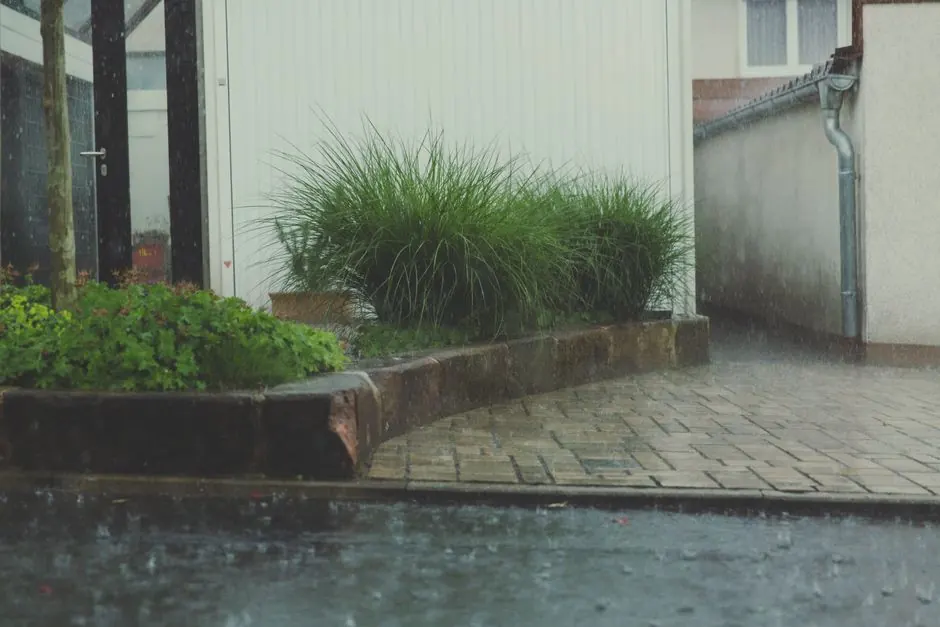
The monsoon season in New River can bring heavy rains and potential flooding, making it crucial for homeowners to prepare their properties. By taking proactive steps, you can minimize the risk of water damage and ensure your home remains safe and dry. This article will guide you through understanding the monsoon season, common risks, preparation tips, and when to call a professional.
Understanding New River's Monsoon Season
Monsoon season in New River typically runs from June to September, bringing intense thunderstorms and heavy rainfall. During this time, the area can experience sudden downpours that lead to flash flooding. Understanding the patterns of this season is vital for effective preparation. The National Weather Service often issues flood watches and warnings, so staying informed through local news or weather apps is essential.
Common Water Damage Risks
Several factors contribute to water damage during the monsoon season:
- Heavy Rainfall: Intense storms can overwhelm drainage systems.
- Flooding: Low-lying areas in New River are particularly vulnerable.
- Improper Drainage: Clogged gutters and downspouts can lead to water pooling around your foundation.
- Roof Leaks: Aging roofs may not withstand heavy rains, leading to leaks.
- Basement Flooding: Heavy rains can cause water to seep into basements, especially in older homes.
Preparing Your Home
To effectively prepare your home for the monsoon season, consider the following steps:
Inspect and Clean Gutters and Downspouts
Ensure that your gutters are clear of debris to facilitate proper water flow. Clogged gutters can lead to water overflow, which may damage your roof and foundation. Regular maintenance during the monsoon season is vital.
Check Your Roof
Inspect your roof for missing shingles or signs of wear. If your roof is older, consider scheduling a professional inspection to identify any vulnerabilities. A solid roof is your first line of defense against the elements.
Seal Windows and Doors
Check the seals around windows and doors for any gaps. Use caulking or weatherstripping to seal these areas, preventing water from entering your home during storms.
Install a Sump Pump
If your home is prone to flooding, installing a sump pump can be a lifesaver. This device helps remove excess water from your basement, mitigating flood damage. Make sure to test it before the rainy season begins.
Landscaping Considerations
Proper landscaping can help divert water away from your home. Ensure that your yard slopes away from the foundation, and consider adding drainage features like swales or French drains to manage runoff effectively.
What to Watch Out For
When preparing for the monsoon season, keep an eye out for these common mistakes:
- Neglecting Regular Maintenance: Failing to inspect and maintain your home can lead to costly repairs.
- Ignoring Local Weather Alerts: Stay informed about weather conditions and heed any warnings.
- Procrastinating Repairs: Delaying repairs can exacerbate problems when heavy rains hit.
- Overlooking Insurance Coverage: Ensure your homeowner's insurance covers flood damage.
When to Call a Professional
If you experience significant water intrusion or damage, it's crucial to call a professional. The team at Emergency Water Damage Restoration in New River can help assess the situation and provide the necessary services to restore your home. They have the expertise to handle water damage effectively and can assist with insurance claims.
Frequently Asked Questions
What should I do if my basement floods?
Immediately turn off electricity to the affected area and contact a professional for Basement Flooding Solutions in New River. They can help remove water and prevent mold growth.
How can I tell if I have water damage?
Look for signs like water stains on walls, dampness in the air, or a musty odor. If you suspect water damage, it's best to consult with experts in Water Extraction Services in New River.
Is flood insurance necessary?
Yes, if you live in a flood-prone area, flood insurance is essential to protect your property from potential water damage.
How often should I inspect my roof?
It's advisable to inspect your roof at least twice a year and after severe storms to catch any potential issues early.
Can I handle water damage cleanup myself?
While minor issues can be addressed, significant water damage should be handled by professionals to ensure thorough cleanup and prevent mold growth.
Get help with Water Damage Restoration in New River
Preparing your home for the monsoon season is crucial for preventing water damage. If you need assistance, contact New River Water Damage Experts at 6233201725 for reliable and professional services.